

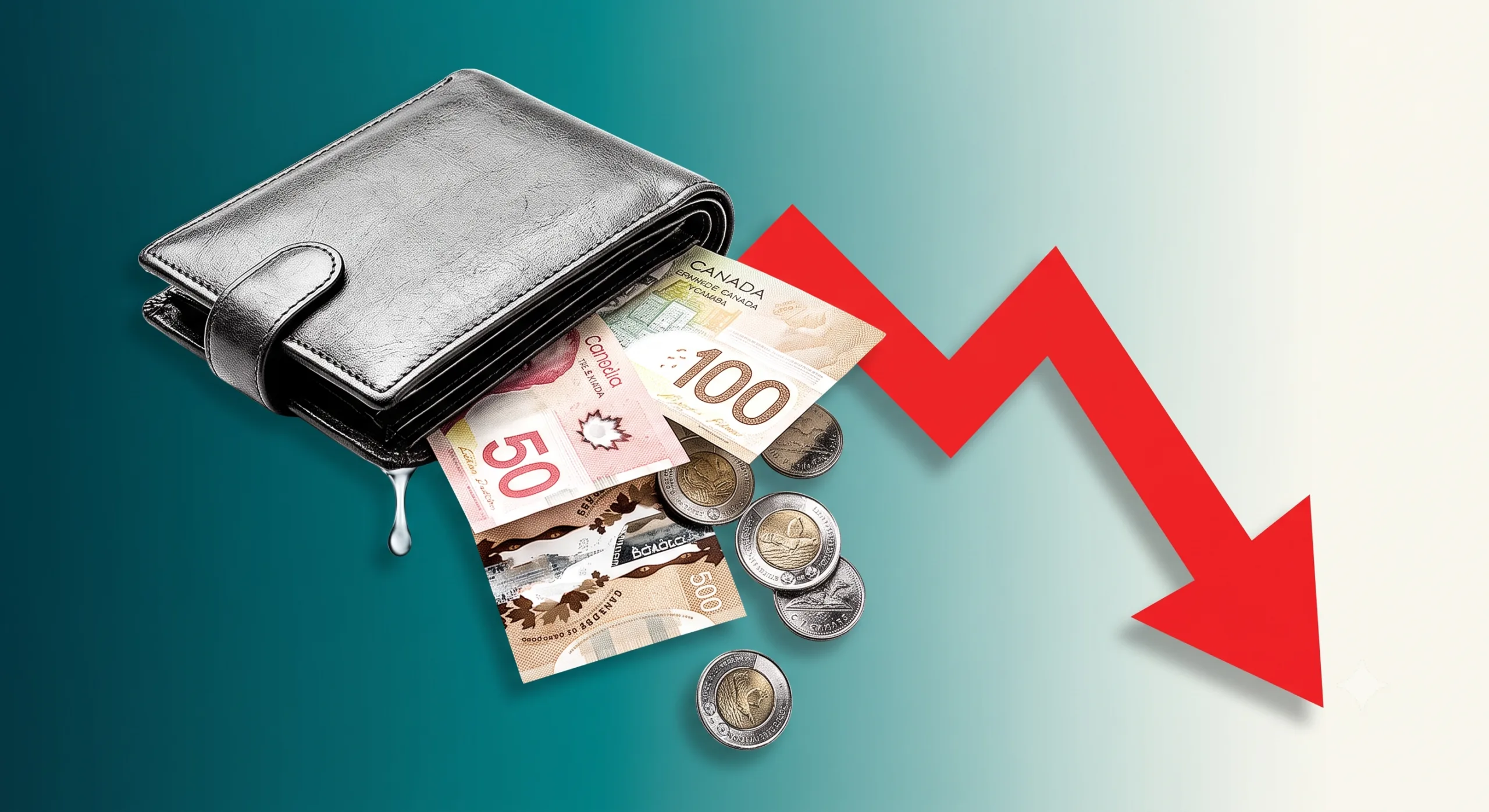
Your wealth could be quietly slipping away through bad financial decisions, and you might not even notice it. The numbers tell a concerning story: a significant percentage of Canadian adults report their finances have worsened compared to last year. With inflation and the rising cost of living across the country, many households are facing real financial hardship.
The situation requires attention. Many Canadians struggle without enough savings to fall back on, largely due to mixing up "wants" and "needs" while piling up consumer debt. Life's surprise expenses can throw your finances into chaos when you are not prepared. Young adults in their 20s often struggle the most, especially when trying to balance high rent and daily expenses with long-term goals like buying a home or retirement planning.
We have spotted 13 key financial mistakes that could hurt your chances of building wealth in 2026. Let's get into these wealth-draining habits and find out how you can stop making poor money choices for good.
1. Unnecessary Spending
Canadians openly admit they buy things they don't need—about half of us do. This habit ranks among the worst financial decisions that quietly eat away at wealth over time.
Unnecessary Spending Explained
You spend unnecessarily when you buy items or services that don't match your true needs or financial goals. Despite widespread financial stress, people still spend on non-essentials. They pay for unused subscriptions, make impulse purchases, and splurge on convenience services.
Common unnecessary expenses include:
- Daily coffee purchases (averaging $100 monthly)
- Dining out or ordering delivery (often exceeding $300 monthly)
- Unused gym memberships and streaming services
- Emotional or impulse purchases
- Convenience fees for services you could do yourself
Why Unnecessary Spending Drains Wealth
Small purchases add up and cause real financial damage. For example, spending $15 every workday on lunch costs roughly $3,900 each year. Unnecessary spending stops you from building wealth by creating debt cycles, making it impossible to maximize your RRSP or TFSA, and diverting money from investments that could grow.
How to Control Unnecessary Spending
Start by tracking every expense. Ask yourself if purchases match your values and long-term goals before buying. Practical strategies include:
- Wait 24 to 48 hours before non-essential purchases.
- Remove yourself from marketing email lists.
- Use debit or cash for discretionary spending.
- Make and stick to shopping lists.
2. Never-Ending Subscriptions
Subscription services now touch almost every part of our daily lives. Streaming platforms, software tools, and delivery apps come with small monthly charges that add up quickly.
What Are Never-Ending Payments?
Subscription services bill your credit card automatically. The biggest problem lies in how these payments slip by unnoticed. Studies show that a majority of people forget about at least one recurring payment. The average consumer juggles multiple subscriptions, easily spending over $1,500 each year on these services.
Why They Hurt Your Finances
These payments create "subscription debt"—you spend money each month on services you barely use. If you carry balances on your credit card while paying for these subscriptions, high interest charges stack up, making these financial mistakes incredibly pricey.
How to Eliminate Them
- Do a subscription audit: Look through your bank statements to find all recurring charges.
- Follow the "one-in, one-out" rule: Cancel an existing subscription whenever you add a new one.
- Add calendar reminders: Track free trial endings to avoid surprise charges.
3. Living on Credit Cards

Credit card dependency stands out as one of the most dangerous financial traps Canadian consumers face today, with national credit card debt reaching historic highs.
Living on Credit Cards Defined
People live on credit cards when they consistently depend on borrowed money because their income cannot cover basic expenses. The pattern starts innocently—perhaps using credit for groceries until payday—but becomes a permanent way to cope. Eventually, people start taking cash advances from one card to make minimum payments on another.
The Cost of High-Interest Debt
Most Canadian credit cards charge around 20% to 24% annual interest. If you carry a $7,000 balance at 20% interest, you are paying roughly $1,400 a year in interest alone. High balances damage your credit score, which can lead to higher insurance premiums and rental application denials.
How to Break the Cycle
- Stop using credit cards completely and switch to debit.
- Build a detailed budget and track every dollar.
- Target the card with the highest interest rate first while paying the minimum on others.
- Look into consolidation loans or lines of credit for lower interest rates.
4. Buying a New Car You Can’t Afford
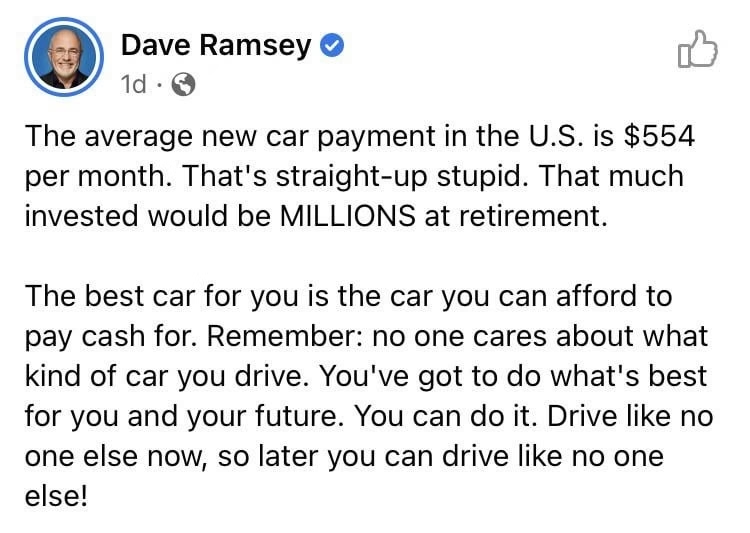
That gleaming new car sitting in the dealership showroom looks tempting, but the average new vehicle in Canada now costs over $45,000.
Why New Cars Are Financial Traps
New vehicles lose 20% to 30% of their value in just the first year. Dealerships often talk about monthly or bi-weekly payments instead of the full price. This tactic hides the real cost and tempts buyers to spend more than they should.
Depreciation and Loan Interest
Your new car's value drops the moment you leave the lot. If you finance a $40,000 car over 72 months at 7% interest, your monthly payment will be around $680, and you will pay thousands in interest. This creates "negative equity," where you owe more than the car is worth.
Smarter Vehicle Buying Strategies
- Buy a 3-to-4-year-old used vehicle that has already taken its biggest depreciation hit.
- Try to save and pay cash to avoid interest entirely.
- Keep your current car longer.
- Keep all transportation costs under 10% to 15% of your monthly income.
5. Overspending on Housing
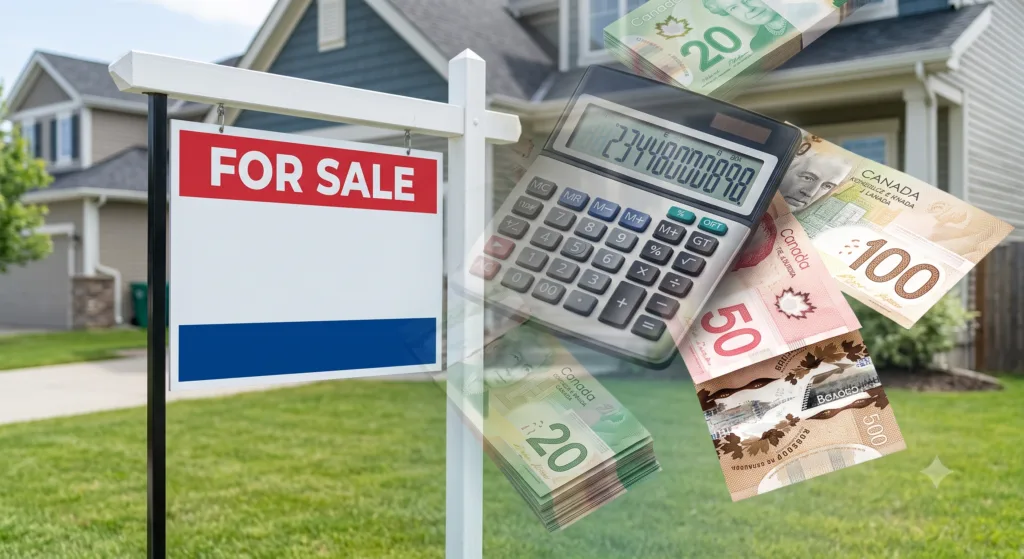
Housing takes the biggest chunk of most Canadian budgets, especially in major markets like Toronto and Vancouver.
What Counts as Overspending
The Canada Mortgage and Housing Corporation (CMHC) suggests that your housing expenses (Gross Debt Service ratio) should stay under 32% of your pre-tax income. When you go beyond this limit, you risk becoming "house poor." You might own a home, but you watch most of your income vanish into housing costs with little left for savings.
Hidden Costs of Large Homes
A mortgage payment is just the start. Property taxes climb with home value. Bigger homes mean higher utility bills, more expensive roof repairs, and higher insurance premiums.
How to Right-Size
- Focus on the space you truly need instead of chasing status.
- Renters should aim below their maximum budget.
- Homeowners feeling the pinch might consider downsizing or renting out a basement suite to offset costs.
6. Misusing Home Equity
Many Canadians have seen their home equity grow substantially over the last decade, leading some to treat their property like an ATM.
What Is Home Equity Misuse?
You misuse home equity by borrowing against your property's value (via a HELOC or refinancing) to fund lifestyle choices rather than financial growth. Common misuses include funding luxury vacations, buying new cars, or covering everyday expenses.
HELOC and Refinancing Risks
Your home serves as collateral. HELOCs usually have adjustable interest rates tied to the Bank of Canada's prime rate. If rates spike, your payments can become unaffordable.
When It’s Okay to Use Equity
Using equity is generally acceptable for home improvements that increase your property's value. It can also be used for careful debt consolidation, provided you have fixed the spending habits that created the debt in the first place.
7. Not Having an Emergency Fund

Life throws unexpected curveballs. One of the biggest money mistakes you can make is not having cash set aside for them.
Why Emergency Funds Matter
Emergency funds are your safety net for job losses, medical emergencies, or surprise car repairs. Financial experts suggest having 3 to 6 months of living expenses saved in a high-yield savings account or TFSA.
Consequences of Not Saving
Without this buffer, surprise expenses force people to rely on high-interest credit cards. This leads to anxiety, damaged credit scores, and delayed retirement goals.
How to Build an Emergency Fund
- Begin small: Save $50 a week.
- Automate transfers: Send money to your savings on every payday.
- Use windfalls wisely: Put your CRA tax refunds or work bonuses directly into your fund.
8. Neglecting Retirement Savings
Delaying retirement planning is a massively harmful financial mistake. The Canada Pension Plan (CPP) and Old Age Security (OAS) were not designed to fully replace your working income.
The Power of Compounding
Money grows exponentially through compound interest. Starting in your 20s or 30s gives your money decades to grow. A 45-year-old starting from zero must save a massive percentage of their income to catch up to someone who started investing small amounts at age 25.
How to Start Saving
- Set up automatic contributions to your RRSP or TFSA.
- Maximize employer matching programs at work—it is literally free money.
- If you are starting late, commit to saving 15% to 20% of your income aggressively.
9. Paying Off Debt with Retirement Funds
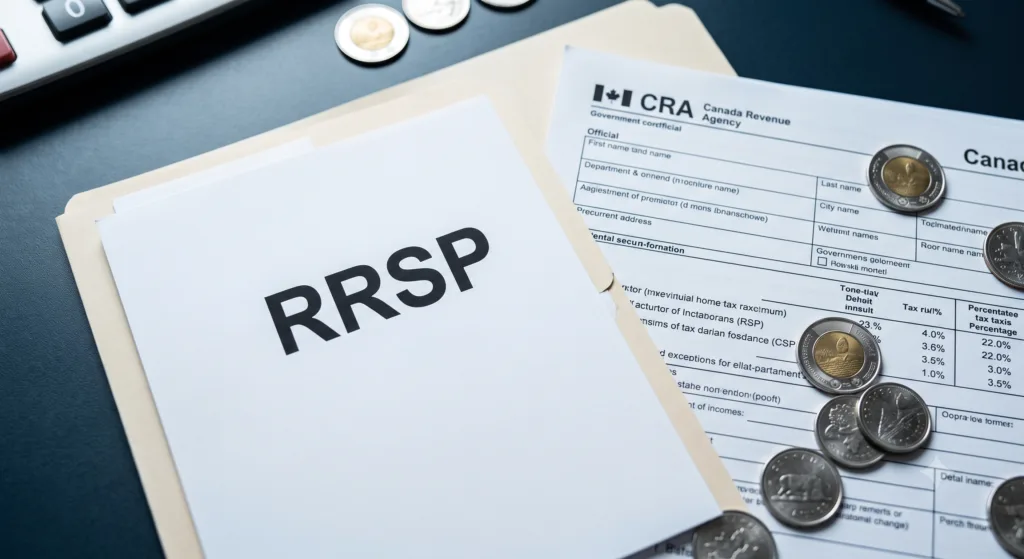
When financial pressure mounts, cashing out your RRSP to pay off credit cards feels like a quick fix. It is actually a disaster for your wealth.
Why This Is a Bad Idea
Unlike in the US, early RRSP withdrawals in Canada do not carry a specific "penalty fee," but they trigger an immediate withholding tax (up to 30% depending on the amount). Furthermore, the entire withdrawal is added to your taxable income for the year, potentially pushing you into a higher tax bracket. Worst of all, you permanently lose that RRSP contribution room.
Better Ways to Pay Off Debt
- Get a personal loan at a lower interest rate to consolidate high-interest debts.
- Set up a strict budget to free up cash flow.
- Speak to a licensed insolvency trustee about consumer proposals if you are truly overwhelmed.
10. Not Having a Financial Plan
Driving without a map means you will likely get lost. Navigating your money without a plan is no different.
What Is a Financial Plan?
A financial plan is a tailored roadmap showing your net worth, cash flow, investments, and risk management. It turns financial anxiety into clear direction.
How to Create a Simple Plan
List your income, assets, and debts. Set short-term (1-3 years) and long-term (5+ years) goals. Ensure your daily budgeting aligns with these goals. You do not need to be wealthy to have a plan; simply writing down your intentions drastically improves your financial trajectory.
11. Impulse Buying
Online shopping and targeted social media ads have made impulse buying a daily hazard.
What Is Impulse Buying?
This is any unplanned, spontaneous purchase. These snap decisions bypass your logical brain and target your emotions. Online shopping makes this worse, as checking out requires only a single click.
Tips to Avoid It
- Wait 24 hours before making unplanned purchases.
- Remove saved credit card information from your browser and favorite shopping apps.
- Set aside a specific amount of "fun money" in your budget to satisfy the urge safely.
12. Ignoring Investment Opportunities
Keeping all your money in a basic chequing account ensures you will lose wealth over time due to inflation.
Inflation and Lost Value
Your money's purchasing power silently erodes. If inflation averages 3% a year, money sitting in a zero-interest account is actively losing value.
How to Start Investing Safely
- Open a Tax-Free Savings Account (TFSA) or Registered Retirement Savings Plan (RRSP).
- Look into broad-market index funds or ETFs that spread your risk across many companies.
- Start small using automated wealth management platforms (robo-advisors) if you are new to the market.
13. Failing to Track Spending
Most people have no idea exactly where their money goes.
Why Tracking is Essential
Tracking turns fuzzy awareness into concrete data. It helps you spot the "leaks" in your budget—like the $3 daily coffee that costs you $1,000 a year. Regular tracking also helps detect fraudulent credit card charges fast.
Tools to Help
Use digital budgeting apps, custom spreadsheet templates, or simply review your online banking statements every Sunday evening. The best system is the one you actually use consistently.
Comparison Table
| Financial Mistake | Main Effect | Key Strategy / Solution |
| Unnecessary Spending | Blocks wealth creation | Wait 24-48 hours before purchasing, use lists. |
| Never-Ending Subscriptions | Drains money via forgotten charges | Audit bank statements, use the "one-in, one-out" rule. |
| Living on Credit Cards | Accumulates 20%+ high-interest debt | Switch to debit, pay above the minimum balance. |
| Buying Unaffordable Cars | Immediate depreciation, negative equity | Buy 3-4 year old used cars, aim for cash purchases. |
| Overspending on Housing | Results in being "house poor" | Keep housing under 32% of pre-tax income (CMHC). |
| Misusing Home Equity | Puts your property at risk | Only use HELOCs for value-adding home renovations. |
| No Emergency Fund | Forces reliance on credit cards | Automate a $50/week transfer to a TFSA or savings. |
| Neglecting Retirement | Reliance solely on CPP/OAS | Utilize RRSPs and employer matching immediately. |
| Cashing RRSPs for Debt | Triggers taxes, loses contribution room | Consolidate debt with a lower-interest personal loan. |
| No Financial Plan | Lack of financial direction | Write down assets, debts, and 5-year goals. |
| Impulse Buying | Breaks budgets on emotional highs | Remove saved card details from web browsers. |
| Ignoring Investments | Wealth loses value to inflation | Invest in broad-market index funds via a TFSA. |
| Not Tracking Spending | Money vanishes without a trace | Use a budgeting app or review weekly bank statements. |
Conclusion
Day after day, bad financial decisions slowly eat away at wealth. Most people do not notice until the damage becomes severe. We have covered 13 crucial money pitfalls that keep Canadians from building real financial security, from credit card dependence to cashing out RRSPs early.
You do not need a massive income to achieve financial freedom. You just need to manage your money wisely and drop these wealth-draining habits. Keep close track of your spending, set up automatic savings, right-size your housing, and put retirement first. Once you eliminate these mistakes, you will have built a strong foundation capable of handling any economic challenge.
Key Takeaways
- Track every expense: Small purchases add up. Awareness cures financial stress.
- Break credit card dependency: With interest rates averaging 20%+, carrying a balance is a primary wealth destroyer.
- Invest immediately: Use TFSAs and RRSPs to beat inflation and leverage compound interest.
- Build emergency funds: Aim for 3 to 6 months of living expenses to avoid debt traps during emergencies.
Frequently Asked Questions
How can I start tracking my expenses effectively?
Begin by recording every purchase. Use budgeting apps or spreadsheets to categorize spending. Review your transactions weekly to identify areas to cut back.
What are practical ways to reduce unnecessary spending?
Implement a 24-hour waiting period before non-essential purchases. Unsubscribe from marketing emails and use debit instead of credit for discretionary spending.
Is it wise to use a HELOC to pay off other debts?
It is risky because it turns unsecured credit card debt into debt secured against your home. Only do this if you have completely changed the spending habits that caused the debt, and have a strict repayment plan.
What is the penalty for withdrawing from an RRSP early?
In Canada, early RRSP withdrawals face immediate withholding taxes (10% to 30%, depending on the amount), the amount is added to your taxable income for the year, and you permanently lose that contribution room.
How much should I save for retirement?
Aim to save at least 15% of your income. Start early to benefit from compound interest, and always take advantage of employer matching programs if offered.